






There is no South African ban on perchloroethylene. Anyone telling you otherwise is selling something. But a machine bought this year is a fifteen-year decision, and the question worth asking is not what is legal now — it is what the manufacturers will still be building and supporting when you next need a part.
What is actually happening
Perc, or PCE, has been the standard dry cleaning solvent for decades because it works: fast cycles, good results on most fabrics, well understood by every operator in the trade. It is also chlorinated, and several jurisdictions have decided that is a problem. The United States EPA finalised a phase-out in December 2024, with staged dates through to a full ban in the middle of the next decade; California and Minnesota, among others, run their own timetables ahead of it. The European position has been tightening for longer.
None of that is South African law, and this article is not going to pretend it is. What it does is set the direction the manufacturers are building in. BÖWE's current PremiumLine range is not a perc machine with an alternative option bolted on — the MULTISOLVENT line is designed around chlorine-free class A III solvents, and the solvent choice is software configuration rather than a mechanical conversion. That is a design decision made years ago about where the trade was going.
The three routes out
Hydrocarbon
Non-chlorinated solvents — DF-2000, EcoSolv, PureDry and others. Gentler on fabric and on trim, which matters on beaded and structured garments. The trade is cycle time: hydrocarbon runs slower than perc, so a shop at capacity has to count the throughput before it counts the compliance.
Multisolvent
A machine built to run more than one solvent class. The argument for it is not environmental, it is optionality: you are not betting the fifteen-year life of a machine on which solvent turns out to be the one still being supplied in 2035. The PremiumLine MULTISOLVENT runs HC, GreenEarth, K4, Sensene, Intense and Higlo through the ConfoTronic control rather than through a workshop conversion.
Professional wet cleaning
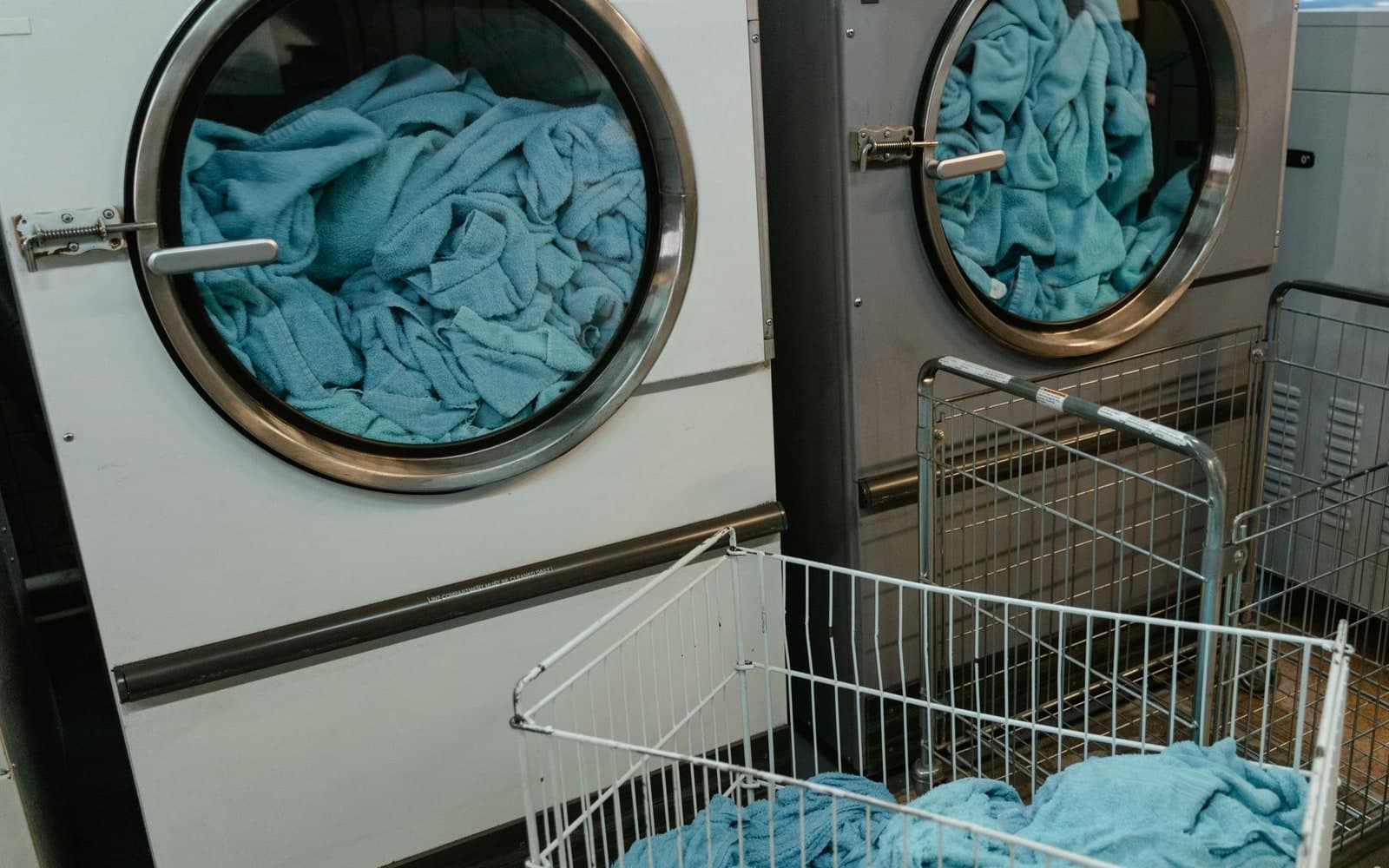
Not a solvent at all. Wet cleaning cleans dry-clean-only garments in water, using controlled mechanical action, specialised detergents and a drying and finishing process matched to it. The mechanical action is the whole trick — a wet cleaning machine runs inverter-driven with an extreme-care setting because the difference between wet cleaning and ruining a garment is entirely in how gently the drum moves.
It is worth being honest about the limit. Wet cleaning does not cover everything a solvent machine covers, and most operations that adopt it run it alongside a solvent machine rather than instead of one. The finishing equipment matters more than it does with solvent, because a garment cleaned in water needs pressing back into shape — which is where a form finisher earns its place on the floor.
What this means for the machine you buy next
If you are replacing a perc machine in South Africa today, nothing forces your hand. But three things are worth weighing:
Resale and support. A single-solvent perc machine bought now is being bought into a shrinking market. That shows up when you sell it and when you need a part for it in year twelve.
Contract work. Hotel groups, hospitals and corporate accounts increasingly carry their own environmental reporting, and increasingly ask their suppliers about it. That is a commercial reason rather than a regulatory one, and it arrives sooner.
Optionality is cheap at purchase and expensive later. The premium on a multisolvent machine over a single-solvent one is paid once. Converting a single-solvent machine, or replacing it early, is not.
Where to start
Tell us what you clean, in what volume, and what the building can take. The answer for a shop doing residential work in a suburb is genuinely different from one holding a hospitality contract, and it is worth having the comparison run on your numbers rather than on the principle. We have supplied dry cleaning machines in South Africa since 1985, including through the last solvent transition.
One caveat, stated plainly. The regulatory detail above is American and European. Verify the current South African position yourself before you make a compliance claim to a customer or in your own marketing — the direction of travel is a sound reason to think about your next machine, and it is not a legal requirement here.