









Yes, a garment steamer can replace an iron for most everyday garments: shirts, blouses, dresses, suits, knitwear and curtains are all finished faster and more safely with steam. But a steamer cannot set a sharp trouser crease or press a crisp flat seam, so businesses that need tailored finishing keep both. That is the honest answer, and the rest of this article explains the reasoning so you can decide for your own workload.
Universe Corp has supplied both technologies to South African dry cleaners, hotels and retailers since 1985, so we have no reason to oversell either one.
What a Steamer Does Better Than an Iron
Speed
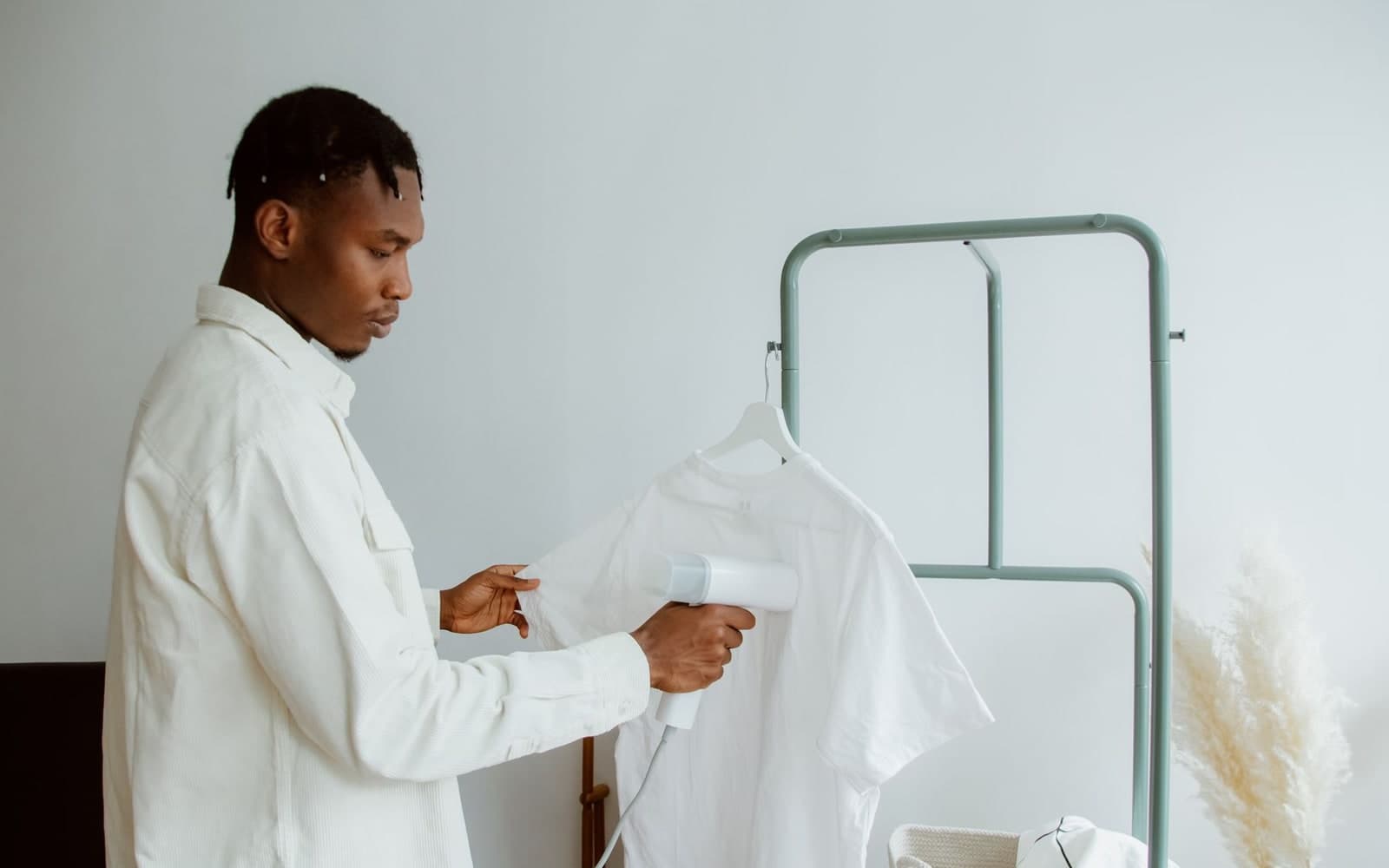
Steam relaxes wrinkles in seconds while the garment hangs. There is no board setup, no laying flat, no repositioning sleeves. In high-volume settings like retail floors and hotel housekeeping, a rack of garments that would take an hour to iron is steamed in a fraction of the time.
Fabric safety
An iron works by pressing a hot soleplate onto fabric. A steamer never touches it. That removes the risk of scorching, shine marks and melted embellishments on silk, chiffon, lace, sequins, prints and technical fabrics. For delicates, steam is not only faster, it is safer.
Space and workflow
Steaming happens on a hanging rail. No ironing board, no pressing table, no floor space sacrificed. For stock rooms and sample rooms this is often the deciding factor.
Freshening
Steam relaxes fibres and helps release odours, which is why hotels and clothing rental operations steam garments between uses rather than fully laundering them.
What an Iron Still Does Better
Sharp creases
A crease is set by pressure plus heat plus steam. Only an iron or a press supplies the pressure. Formal trousers, military uniforms, pleated skirts and chef whites still need an iron or trouser press.
Crisp flat finishes
Collars, cuffs, plackets and flat seams look sharpest under a soleplate. A steamed shirt looks relaxed and clean; an ironed shirt looks pressed. Formal shirting standards in hospitality and corporate uniform work usually demand the pressed finish.
Structured tailoring work
Tailors shaping garments during construction rely on pressing to build shape into seams and canvassing. Steam alone cannot do this.
The Professional Answer: Match the Tool to the Task
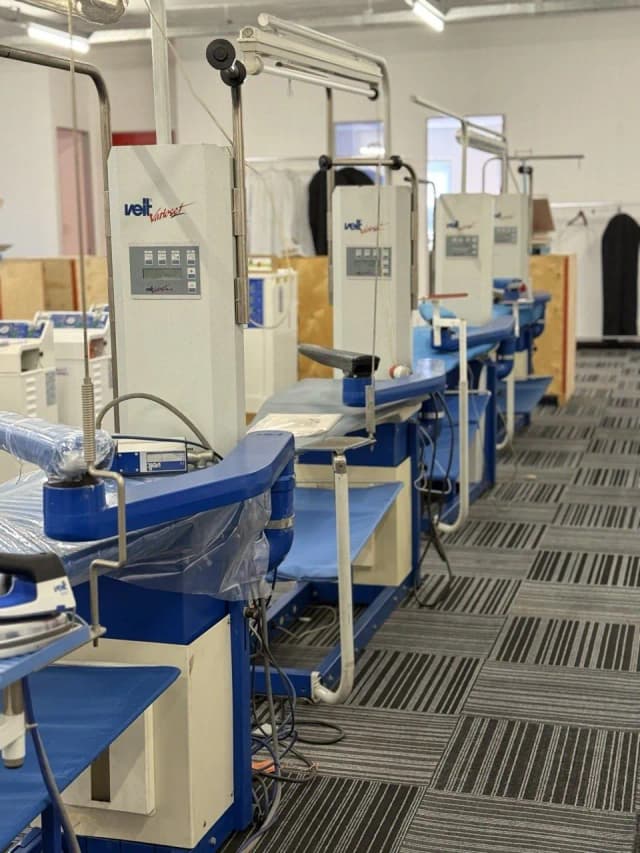
Most professional garment care operations in South Africa run an upright steamer such as the Silver Star SR-5000 or SR-8000 beside a professional steam iron, and route each garment to the right station. For a deeper equipment-by-equipment comparison including steam presses, see our guide to steam irons vs garment steamers vs presses.