









A steam iron is the most-used tool in any pressing room, and the difference between a good one and a wrong one is felt every hour of every shift: in finish quality, in operator fatigue, and in how often work gets redone. Yet most buying advice online is written for home users choosing between retail brands. This guide is the professional version: how to choose a steam iron when pressing is your business.
Universe Corp has advised South African dry cleaners, laundries, hotels and garment makers on pressing equipment since 1985. Here is the framework we use.
The Specifications Professionals Check
Soleplate
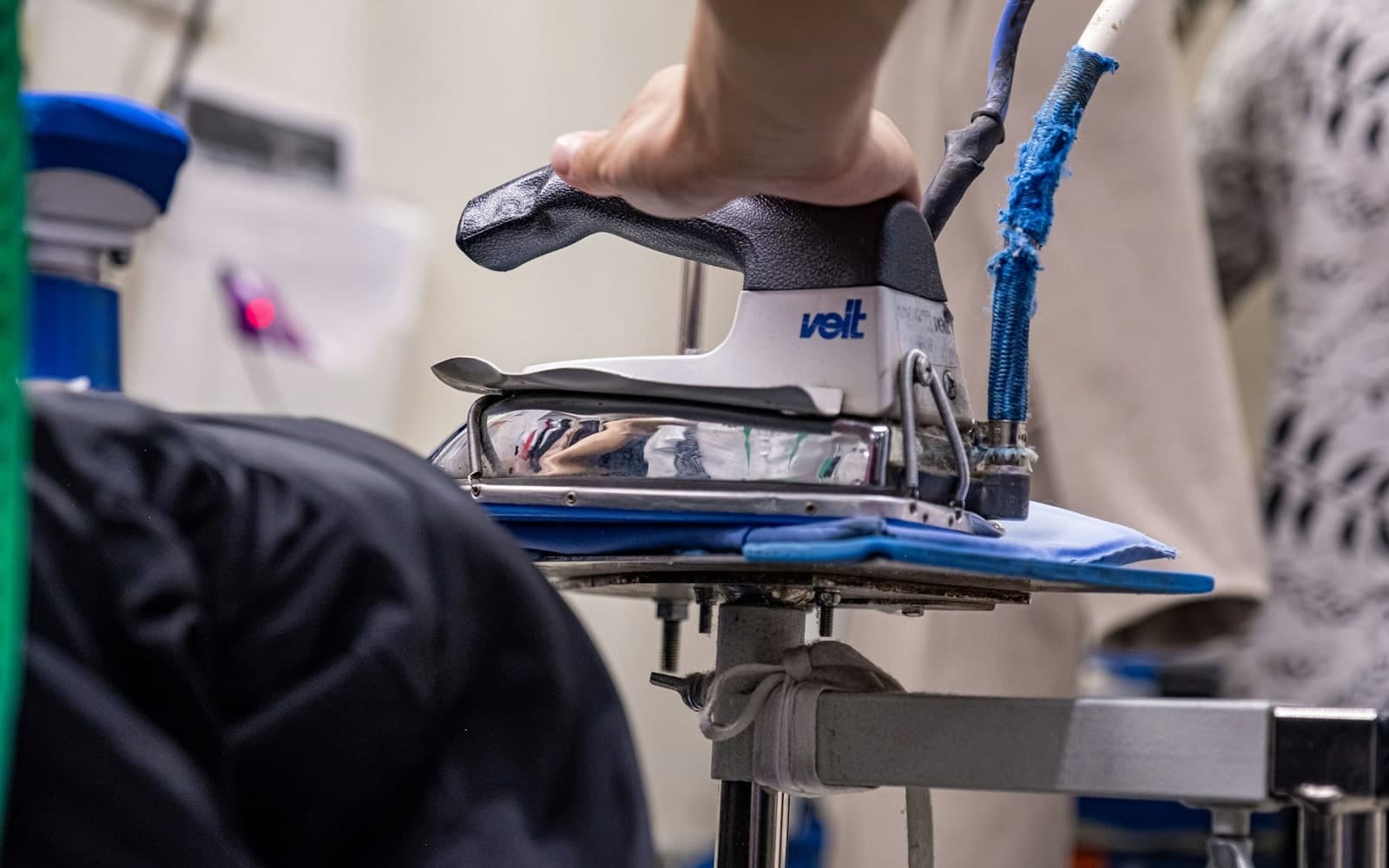
Shape, material and finish decide how the iron moves and what it can reach. A tapered point works into seams, pleats and detail; a polished professional plate glides without snagging and resists sticking. Add a Teflon shoe for dark and delicate fabrics to prevent shine.
Weight
Professional irons are deliberately heavier than household irons. The mass does the pressing, so the operator guides rather than pushes. Over a full shift this is the difference between a tired wrist and a repetitive strain problem, and it produces a flatter, more consistent finish.
Temperature stability
A pressing room iron holds its set temperature through continuous work. Household irons cycle widely around their setpoint, which is how scorching and underpressing happen. Stable thermostats, and on boiler systems dry consistent steam, are what keep quality repeatable.
Repairability
Elements, thermostats, cords, handles and shoes on a professional iron are all replaceable parts. Before buying any iron, ask who holds those parts in South Africa. Universe Corp stocks spares and consumables in Johannesburg for every range we sell, including Silver Star, Due Effe and Silter.
The station around the iron
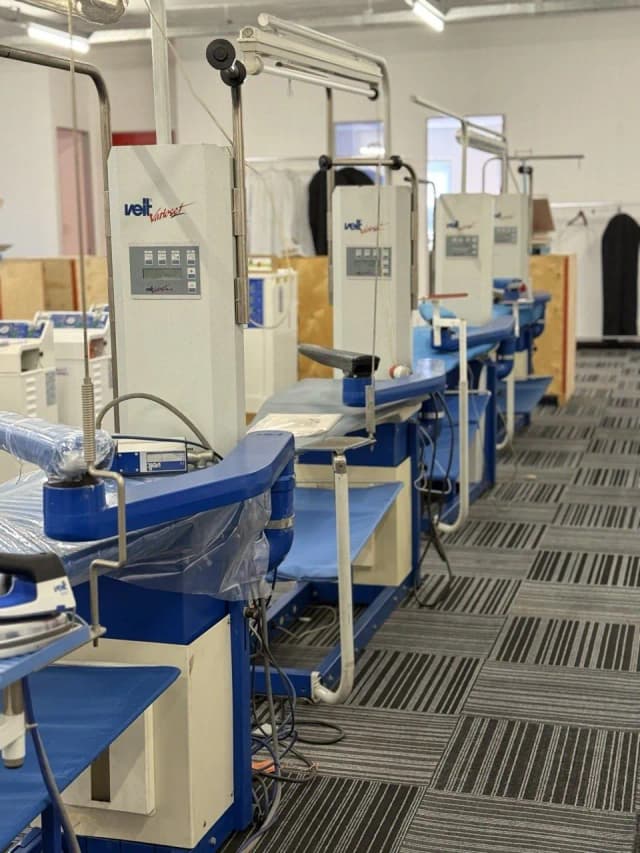
An iron performs to its potential on a vacuum ironing table, which holds the garment still, extracts steam and dries the piece as you work. If you are building a pressing station from scratch, spec the vacuum table and iron together.
Professional vs Household Steam Irons
Matching the Iron to Your Business
-
Dry cleaner: gravity-feed iron on a vacuum table. Handles the daily mix of suits, shirts and delicates with steam on demand.
-
Hotel or hospital laundry: boiler-fed irons for long shifts and consistent dry steam, usually alongside flatwork equipment.
-
Garment factory: boiler-fed stations off a central steam source, with specialist irons for construction pressing. The Due Effe range includes purpose-built models for seam opening and production work.
-
Tailor or alterations shop: gravity-feed or professional electric iron. Precision and control matter more than raw throughput.
-
Guesthouse or small laundry startup: semi-industrial options bridge the gap affordably. See our semi-industrial boilers and ironing boards.
Remember the division of labour in a modern finishing room: the iron sets creases and crisp finishes, while an upright steamer handles fast rack finishing and delicates. Most professional operations run both; our comparison of steam irons, garment steamers and presses explains the split.