



If you are buying a garment steamer in South Africa for business use, four factors matter more than anything else: steam output, duty cycle, tank capacity and local support. Get those right and the steamer will pay for itself in faster finishing and fewer damaged garments. Get them wrong and you will replace a burnt-out consumer unit within a year.
This guide explains how to match a clothes steamer to your daily workload, which specifications actually matter, and where professional machines like the Silver Star SR series differ from the consumer brands you see at retail chains. Unicorp has supplied garment care equipment to South African businesses since 1985, and this is the same framework we use when advising customers on the phone.
Start With Your Daily Volume
The single biggest buying mistake is matching the steamer to your budget instead of your workload. Ask one question first: how many garments will this machine steam per day?
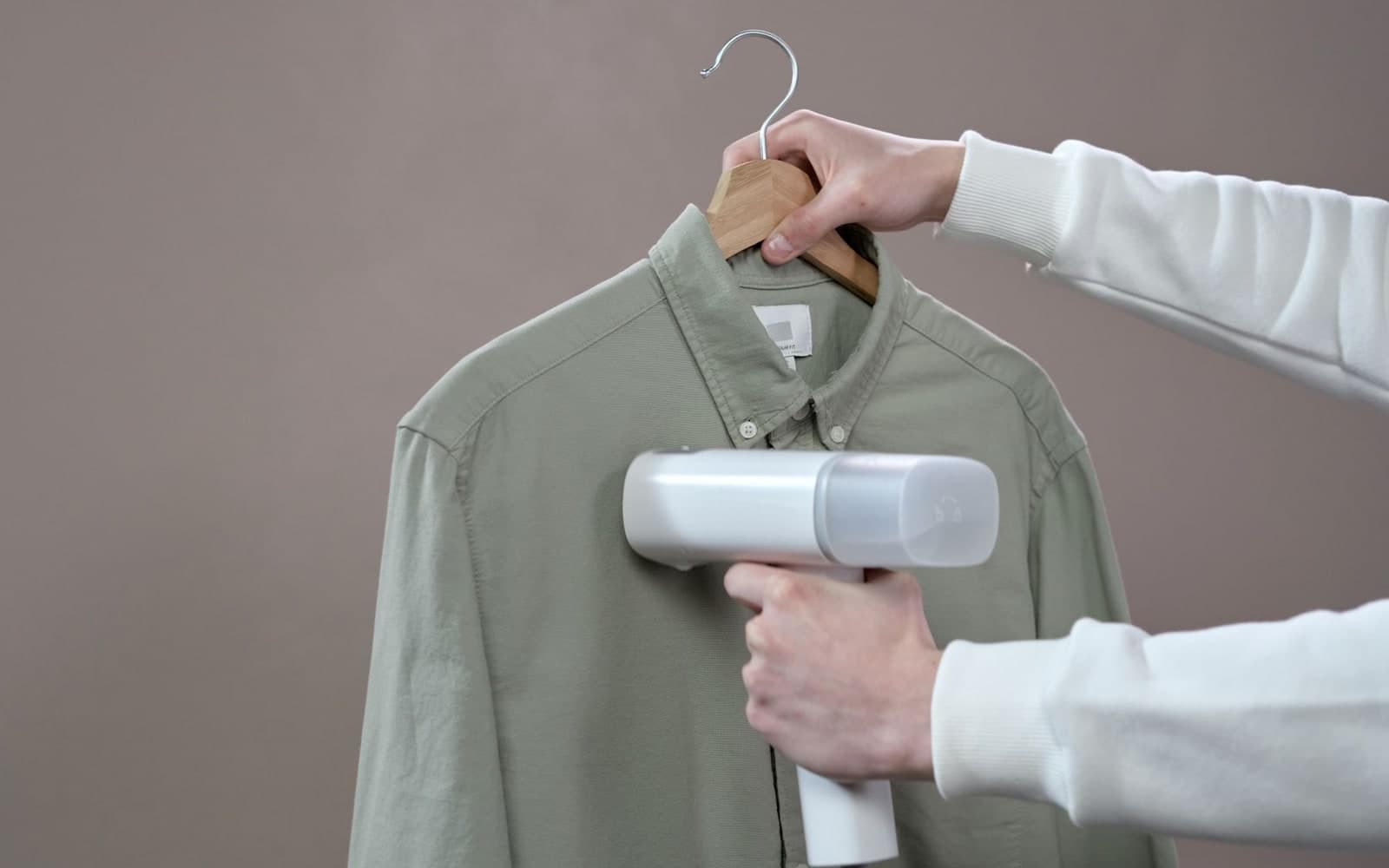
- Under 10 garments a day: occasional home or boutique use. A consumer handheld unit may be adequate, though its lifespan under daily use is short.
- 10 to 50 garments a day: boutiques, guesthouses, tailors and alteration shops. You need an upright professional steamer with a large tank and a continuous-steam rating.
- 50+ garments a day: dry cleaners, department stores, garment manufacturers and hotel laundries. Only a commercial-grade upright steamer with a proven duty cycle will survive. This is where the Silver Star SR-5000 and SR-8000 operate.
Consumer steamers are designed for minutes of use per day. Commercial environments demand hours. A machine rated for the former and used for the latter fails early, and usually without warranty cover, because business use voids most consumer warranties.
The Specifications That Actually Matter
Steam output (watts)
Steam output determines how quickly wrinkles relax and how well the steamer handles heavy fabrics. Professional units such as the Silver Star SR series produce 1350W of steam power, enough for suiting, coats and upholstery-weight fabric. Entry-level handhelds often run below 1000W and struggle beyond light cottons.
Heat-up time and pre-heat stage
In a commercial setting, waiting for steam is paid staff time wasted. Look for a fast pre-heat stage: the SR-5000 pre-heats at 200W for energy efficiency, while the SR-8000 pre-heats at 800W for quicker readiness between sessions. Both reach working steam within minutes.
Tank capacity and water protection
A small tank means constant refilling. Professional uprights hold enough water for extended sessions and include water-shortage alarms with auto-protection, so a dry tank shuts the element down instead of destroying it.
Safety certifications
This is the quiet difference between professional and grey-import equipment. Look for internationally recognised marks: CE (Europe), VDE (German electrical safety), UL (USA), CSA (Canada) and CQC (China). Silver Star SR-series steamers carry all five. Certification matters for insurance, for workplace safety compliance, and as a proxy for build quality.
Spare parts and local support
A steamer is a daily-use machine with wear parts. Before buying any brand, ask one question: who stocks parts in South Africa? Imported one-off units bought online become disposable the day something fails. Unicorp holds Silver Star stock and spares in Johannesburg with technical support on call.
Professional vs Consumer Garment Steamers at a Glance
| Factor | Consumer steamer (retail chains) | Professional steamer (Silver Star SR series) |
|---|---|---|
| Intended use | Minutes per day | Hours per day, daily |
| Steam output | 700 to 1200W typical | 1350W continuous |
| Certifications | Varies, often CE only | CE, VDE, UL, CSA, CQC |
| Water protection | Rare | Shortage alarm + auto-protection |
| Spare parts in SA | Rarely available | Stocked locally by Unicorp |
| Warranty for business use | Usually voided | Supported |
| Typical lifespan in commercial use | Under 12 months | Many years with descaling |
Which Type Suits Your Business?
- Dry cleaners and laundries: upright commercial steamer for finishing returned garments and delicates that should not be pressed. Pair with a steam iron for creases. See our guide to the best garment steamers in South Africa for model rankings.
- Retail stores and boutiques: upright steamer on the stock-room floor for floor-ready garments without an ironing board setup.
- Hotels and guesthouses: housekeeping use plus guest garment service. Quick heat-up matters most.
- Garment manufacturers and sample rooms: end-of-line finishing and damage-free steaming of samples for shoots and buyer presentations.
- Tailors and alteration specialists: gentle finishing at every stage of construction.
For the full range and use-case detail, visit our garment steamers page.
What Does a Garment Steamer Cost in South Africa?
Consumer handhelds retail from a few hundred rand at chain stores. Professional upright steamers are a step up in price, and the honest comparison is cost per year of service, not sticker price. A commercial unit that runs for years with basic descaling is cheaper than replacing burnt-out consumer units annually, before counting the labour time saved by faster steaming and the garments not damaged by an underpowered machine. Request a quote for current Silver Star pricing, as exchange rates affect landed costs.
Frequently Asked Questions
What is the best garment steamer for business use in South Africa?
For commercial use, the Silver Star SR-5000 and SR-8000 are the most widely used professional steamers in South African dry cleaners, retail stores and hotels. Both deliver 1350W steam output, carry five international certifications and are supported with local stock and spares by Unicorp.
How much steam power do I need?
For daily business use on mixed fabrics, look for at least 1350W of steam output. Lower-powered handhelds manage light cottons but struggle with suiting, coats and drapery, and are not built for continuous daily operation.
Are garment steamers safe on all fabrics?
Yes, with correct technique. Because there is no hot soleplate touching the fabric, steamers are safer than irons on delicates, embellishments and prints. Keep the head moving and follow fabric care labels for very heat-sensitive materials.
Do garment steamers work with South African hard water?
Yes, but water quality affects maintenance. In hard-water areas, descale regularly or use filtered water to prevent scale build-up. Professional units include water-shortage protection, and Unicorp provides descaling guidance and spares.
Where can I buy a professional garment steamer in South Africa?
Unicorp is the authorised Silver Star distributor for South Africa, with stock, spare parts and technical support at our Johannesburg warehouse, and supply across Southern Africa. Contact us on +27 (0)11 440 0428 or jhb@unicorp.co.za.
Get the Right Steamer the First Time
Tell us your garment types, daily volume and workspace, and we will confirm whether the SR-5000 or SR-8000 suits you better, with delivery from local Johannesburg stock.
Request a Free Quote →Related reading: Best Garment Steamers in South Africa · Commercial Garment Steamers for Dry Cleaners · Brand page: Silver Star.