









Hotel linen is judged by guests, not by inspectors. An on-premises laundry buys control over that, and the equipment has to hold the standard through a full season rather than a quiet week. Sizing one starts with a fact most properties miss: there are two workloads, not one. This is the method Universe Corp works through with a property. The figures in it are the property's own.
Two workloads
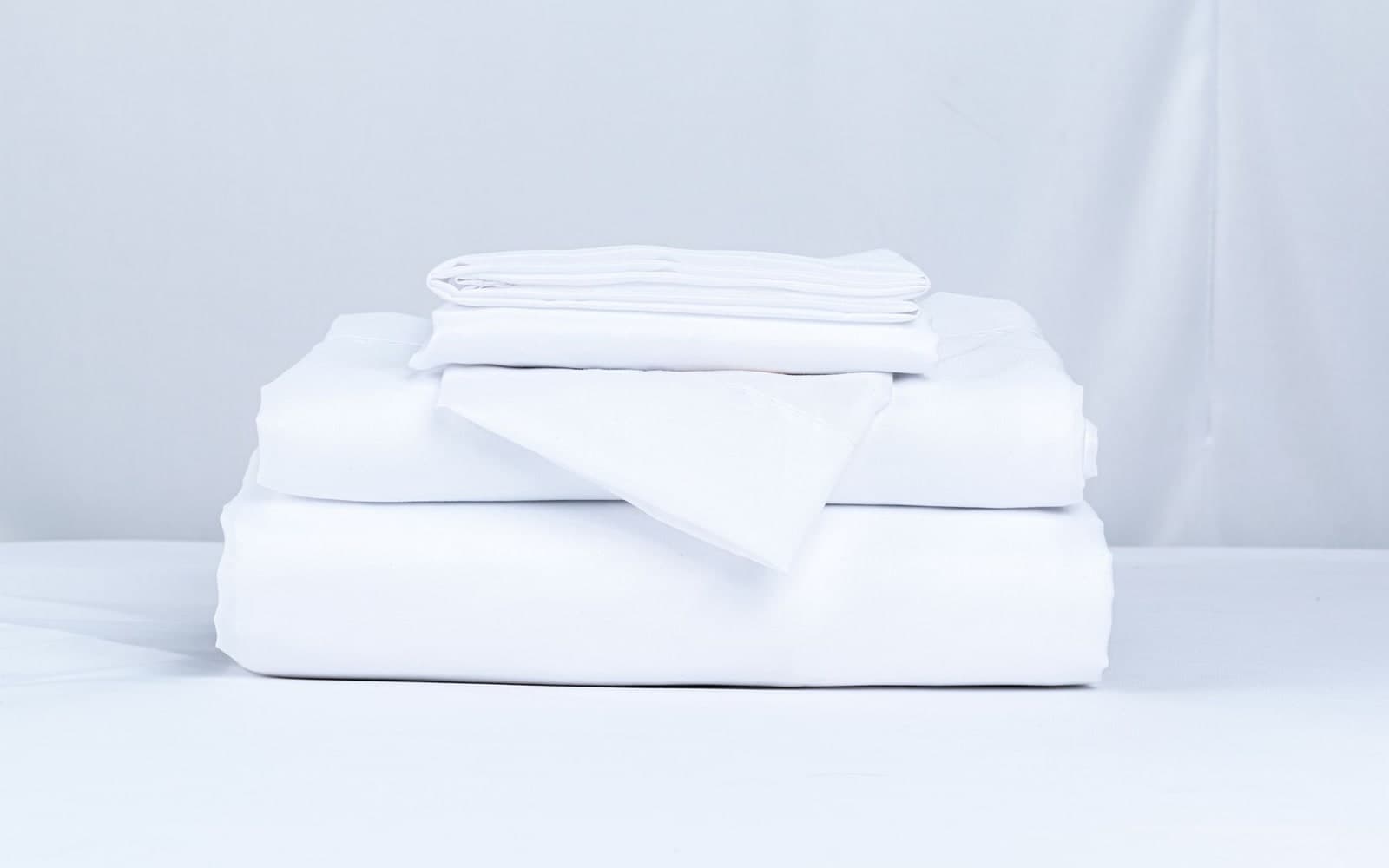
Room linen. Sheets, pillowcases, towels, bathrobes, table linen. High volume, repetitive, finished flat.
Guest valet. Suits, shirts, dresses, the garments a guest hands in for pressing or cleaning. Low volume, high variety, finished by hand or on a steamer, and judged one garment at a time.
They need different machines and different skills. A property that sizes for linen alone ends up sending valet out, which is where the margin was.
Step one: room linen, kilograms per peak day
The property supplies the daily kilograms of linen on a full-occupancy day, by type: sheeting, towelling, table linen. Peak season is the specification. Equipment sized for average occupancy fails at full occupancy, which is exactly when it matters most. We do not estimate the volume from room count, because change frequency, room type and food and beverage operations move the figure too far.
Step two: the washers
Daily kilograms divided by the cycles a shift allows gives the washer capacity and count. The Speed Queen SC Series is the hardmount range most South African properties run, 9 to 36 kg; the SY Series is the softmount equivalent at 18 to 36 kg with 400G extraction and no floor anchoring, which matters where the plant room is not on a reinforced slab. The industrial washing machines page and the Speed Queen vs Girbau comparison set out the choice.
Step three: the dryers, sized against the washers
A dryer should clear the washer's load in the time the washer takes to run the next one. Undersize it and the whole line waits at the dryer. Extraction speed does most of the work: a 400G softmount washer leaves linen substantially drier than a 100G hardmount, and the saving is dryer time and electricity on every cycle. The Speed Queen Classic Line runs from 14 to 90 kg in electric, gas or steam heating, and the industrial tumble dryers page covers heating choice, make-up air and why a sealed plant room slows a dryer.
Step four: flatwork
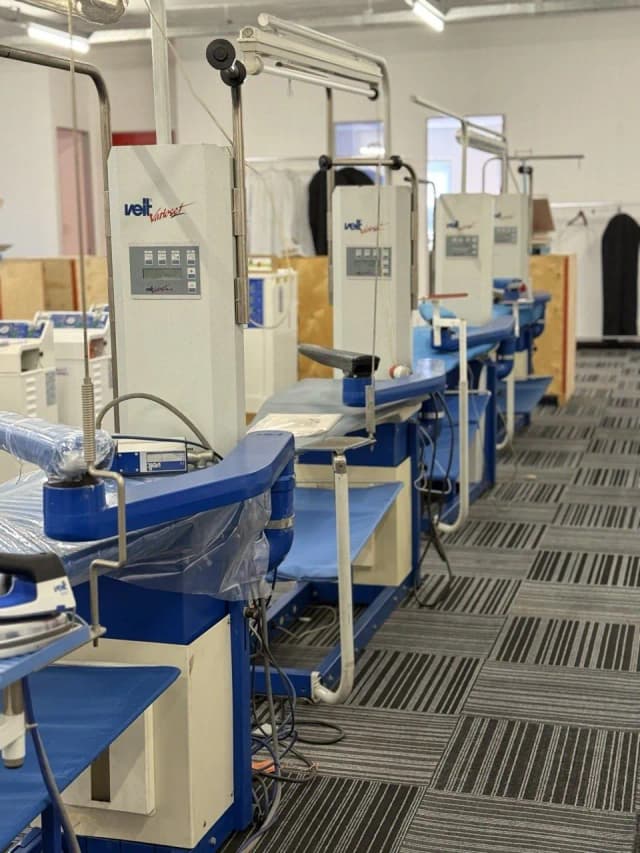
Sheets, pillowcases and table linen are finished on a flatwork ironer, the large-format ironer a linen laundry is built around. It draws steam continuously and it is usually the largest single station on the boiler. The finishing equipment page lists it alongside the presses and tables.
Step five: the valet station
Valet is finished by hand, and the station is small. A garment steamer for hung garments, which finishes a guest garment in minutes and has a visible effect on the guest experience; the Silver Star SR-5000 and SR-8000 are stocked in Johannesburg. A professional iron on a vacuum ironing table for pressed garments. For a property with valet volume, a press. The commercial garment steamers for dry cleaners guide covers the steamer choice.
Step six: steam and water
Every ironer, press and steam-heated dryer is a station the boiler feeds, and the boiler is sized against the stations that run at once. Send the station list rather than a kilowatt figure; the industrial steam boilers page explains why. Where a property runs one or two valet irons and no ironer, a compact steam generator iron does the job without a plant room. Hard water is the quiet destroyer of all of it, and a point-of-entry descaler from water filtration and scale protection is the cheapest component in the installation.
Step seven: serviceability, especially for lodges
A lodge is a long way from a technician. That belongs in the machine choice, not in a maintenance contract written afterwards: robust controls, parts held in South Africa, and a supplier who will travel. Universe Corp supplies nine neighbouring territories and specifies remote sites for serviceability; the Southern Africa page covers the logistics.
Step eight: marking
Linen that leaves the property and comes back, or that is shared between sites, is marked. Heat-seal labels and tags are under labelling and marking.
The hotels and HORECA page sets out how the equipment is put together for a property, and the honest answer to whether an on-premises laundry pays at all depends on room count, linen volume and what outsourcing costs locally. We will work through that before quoting a plant.