
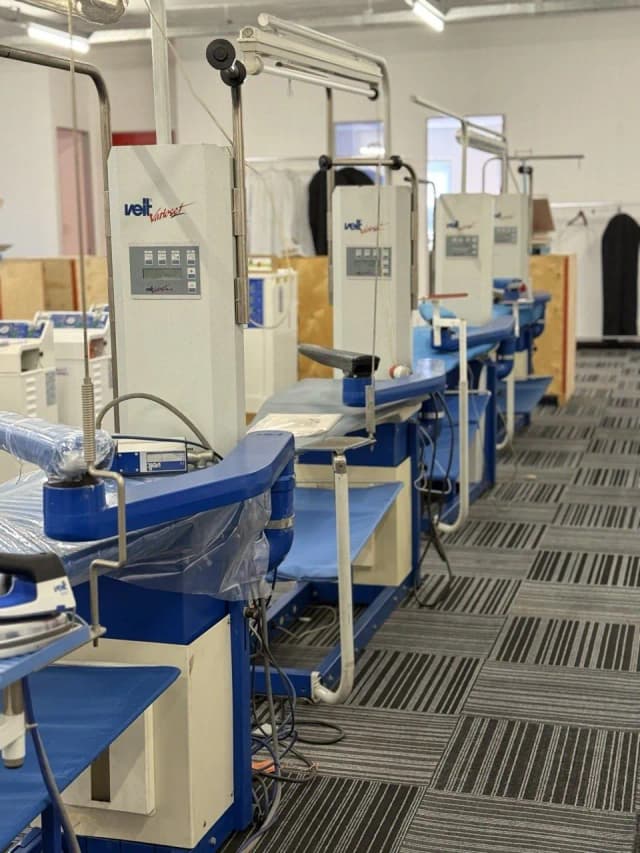









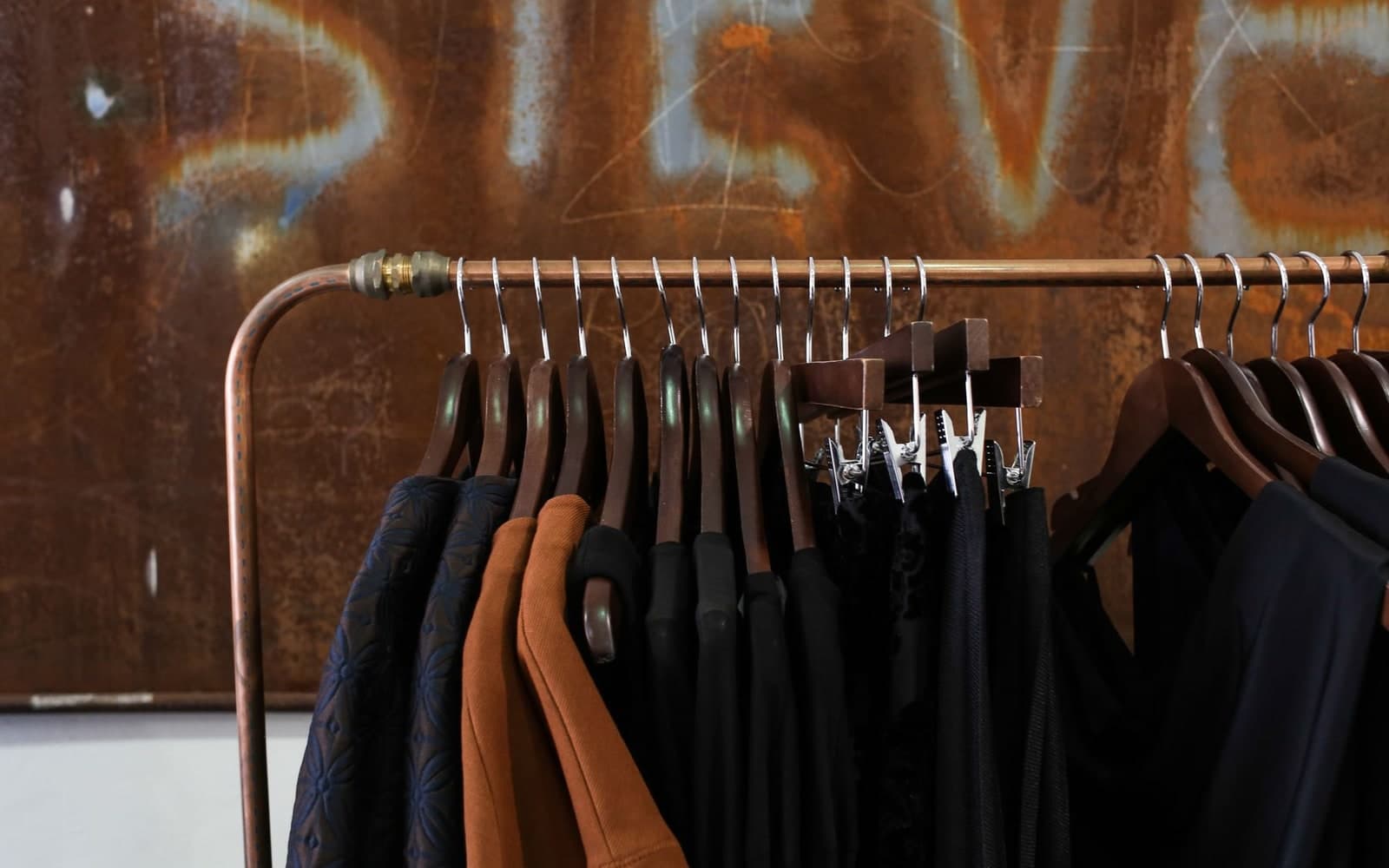
Every garment that arrives at a retail store arrives creased. Boxed, bagged, folded and shipped, stock hits the receiving area looking nothing like it needs to look on the floor. A professional garment steamer is the fastest, safest way to close that gap: seconds per garment, no ironing board, no scorch risk on delicate or embellished pieces, and no training barrier for floor staff. This is why department stores and boutiques worldwide standardised on upright steamers for stock preparation, and why they are one of the most common machines Universe Corp has supplied to South African retailers since 1985.
The Business Case in Three Numbers
-
Seconds per garment. Steam relaxes shipping creases while the item hangs on the rail. No laying flat, no repositioning, no board. A rail of new stock is floor-ready in the time ironing would spend on a handful of pieces.
-
Zero pressing damage. The steam head never touches the fabric, so sequins, prints, delicate knits and technical fabrics carry no soleplate risk. In retail, damaged new stock is pure margin loss; steaming removes the main cause of it.
-
One square metre. An upright steamer with its own hanging pole needs about a metre of floor space in the stock room, against a full ironing station’s board, iron, power and padding footprint.
Where Steamers Work in a Retail Operation
Receiving and stock rooms
The main station. New deliveries are unbagged, hung, steamed and sent to the floor in one flow. With a built-in hanger model like the Silver Star SR-8000, the steamer is a complete station on its own.
The sales floor
A quick pass revives garments that have been tried on, folded and refolded through the day. Boutiques often steam display pieces each morning so mannequins and front rails always show crisp stock.
Visual merchandising and windows
Window dressers steam garments in place on mannequins, something no iron can do. Wrinkled window stock quietly undercuts even the best display; a steamer fixes it in seconds without undressing the mannequin.
Photo and sample work
Stores shooting their own product photography or social content steam each piece before the camera. Wrinkles that are invisible on a busy rail are glaring in a product photo.
Choosing the Right Steamer for Retail
The retail duty cycle is intermittent but daily: bursts of steaming at delivery times, top-ups through the day. That profile points to specific features:
For most stores we recommend the SR-8000 for its quick 800W pre-heat and built-in hanger. High-volume operations running the steamer all day may prefer the energy-efficient SR-5000; our SR-5000 vs SR-8000 comparison covers the choice in detail, and the garment steamer buying guide covers sizing by daily volume.
Training Floor Staff Takes Minutes
One of the steamer’s quiet advantages is that anyone can use it safely on day one. The technique is simple: hang the garment, run the steam head down the fabric in smooth vertical strokes, use light tension on the hem for stubborn creases, and keep the head moving on delicate fabrics. There is no temperature dial to get wrong and no soleplate to scorch with. For finer technique, point staff to our guide on how to use a garment steamer professionally.
Two housekeeping rules keep the machine healthy: never run it dry (Silver Star units protect themselves with a water-shortage alarm and auto cut-out) and descale on a routine, especially in hard-water areas.